
Start with Your Group’s Needs
The right indoor crazy golf venue depends on who is playing, how many people are coming and whether the group wants a relaxed round or a lively challenge. Consider ages and mobility alongside the occasion, since these can affect how comfortably everyone takes part. Use UK Mini Golf Guide as an independent information guide when comparing options, then judge each shortlist against your group. A little planning can help you find a session that suits everyone’s pace.
Group Size and Preferred Pace
Estimate your party size and decide whether players want to stay together or would rather take turns in smaller groups. These preferences can affect how smoothly a round fits your plans.
- For a small party, playing together may suit a sociable visit, especially if everyone is happy to wait briefly between turns.
- For a larger party, check whether the venue can accommodate your full group in one booking or offers staggered start times.
- If children or first-time players are attending, allow for a slower rhythm; taking turns and choosing shots may extend the round.
- For a faster session, look for quieter booking periods and ask whether the course is likely to be busy at your chosen time.
- For indoor golf for group outings, check whether staggered play keeps the group connected or leaves some players waiting too long.
A relaxed pace may work best for conversation, while a time-conscious group may prefer a quieter slot and a clear start-time arrangement. Before booking, confirm party-size limits, whether staggered play is possible and which sessions are expected to be busiest.
Ages, Mobility and Occasion
Think about the youngest and oldest players, as well as anyone who may find repeated bending, balancing or walking between holes tiring. If mobility needs vary, a compact layout and an unhurried pace may help the group play together; check the course information for details that matter to your party, rather than assuming every venue is equally suitable. For indoor mini golf for families, consider whether children can enjoy the challenge without needing every turn to move quickly. A mixed-age group may prefer a layout where adults and younger players can take part at different skill levels, with time to encourage one another. For a casual outing with friends, a more demanding game may suit the group if everyone is comfortable with its pace and physical requirements. The occasion also shapes the mood: a birthday gathering may value a social, unrushed round, while a short meet-up may call for a session that fits a tighter schedule. Match the choice to the youngest player and the person with the greatest mobility needs, then confirm the venue can accommodate both.
Course Types and Trade-Offs
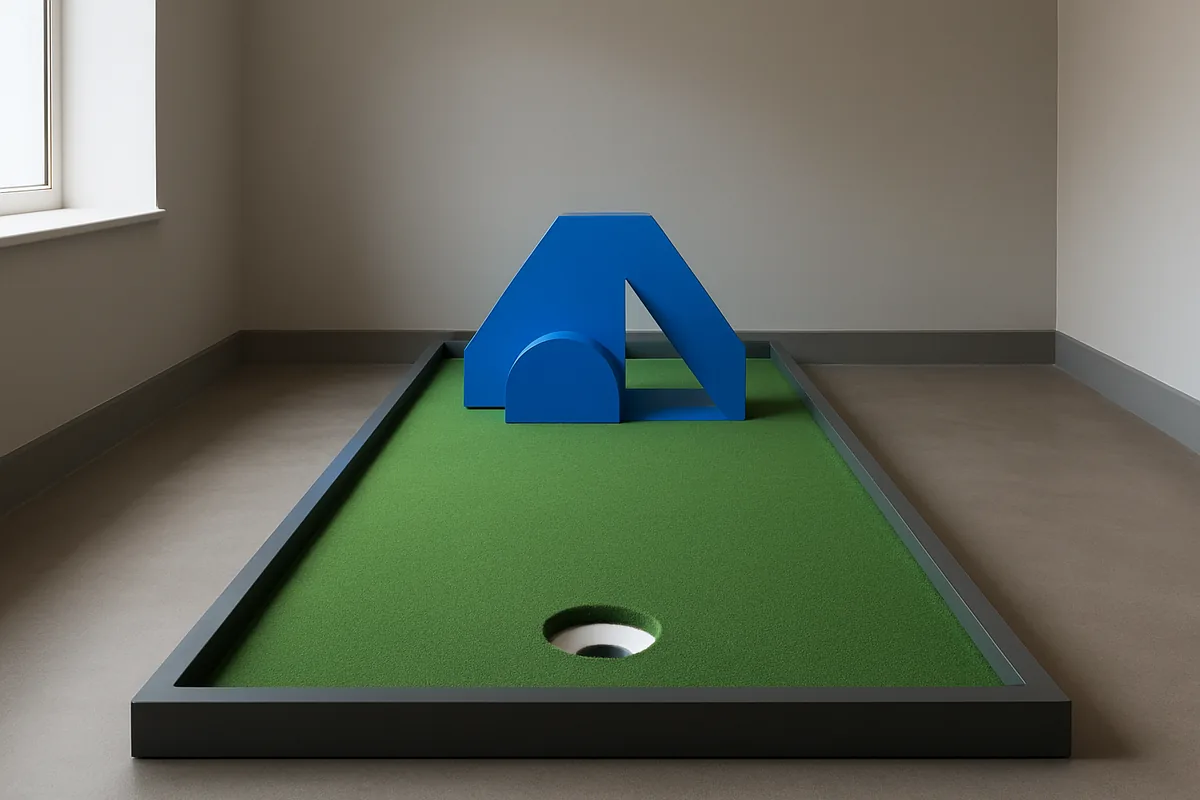
Indoor courses can differ more in their layout than in their theme. Some use a compact route, while others offer a longer sequence or put the emphasis on obstacles and trick shots. Each format can suit a different pace or playing style. Compare the course description with what your group wants from a round before booking.
Compare Layout Types
Layout affects how a round feels: a shorter route may suit a quick visit, while a longer course or trickier obstacles can make the game more involved. These are broad categories, not guarantees about any particular venue.
| Type | Potential appeal | Limitations |
|---|---|---|
| Compact layouts | A compact course can work well when your group wants a straightforward game or has limited time. A shorter route may also make it easier to keep a mixed group together. | There may be less variety from hole to hole, and players looking for a longer round may finish sooner than expected. Check the published hole count and route description. |
| Longer courses | A longer layout, such as a venue’s advertised 18-hole crazy golf experience, may offer more time to play and more changes in direction or setting. | It can take longer to complete, particularly when a group is large or players take different amounts of time. A hole count alone does not show how demanding or varied the route is. |
| Obstacle-led designs | Ramps, tunnels, moving features or themed obstacles can add a puzzle-solving element and appeal to players who enjoy testing different shots. | Some obstacles can make putting less predictable, and a feature-heavy course may feel frustrating to anyone who prefers simple greens. The actual obstacles and difficulty vary by venue. |
Course features vary between venues, including those described as themed indoor mini golf courses. If your group values a quick round, compare route length; if it wants trick shots, look for specific obstacle details rather than relying on promotional images.
Check the Course Details
Compare the course information each venue publishes: hole count, a written layout description, named obstacles and any estimate of how long a round takes. An 18-hole label tells you the number of holes, but not the route’s complexity or expected pace; descriptions of ramps, tunnels or narrow turns can give a clearer sense of the play. Check whether the stated format applies to the session you plan to book, as courses can have different configurations or features. Published details vary between venues and may change, so confirm anything important before choosing. If the group has a preferred pace, use the venue’s own round-time guidance where available rather than assuming that hole count predicts duration.
Check Access and Practical Details
Access details can shape whether an indoor crazy golf visit works for everyone in your group. Check the route through the building as well as the course itself, since an accessible entrance does not confirm that every playing area is step-free. Seating and facilities also affect comfort during a visit, particularly for guests who need regular breaks. Confirm practical arrangements directly with the venue before making a decision.
Access, Seating and Facilities
Use this checklist to identify details that may not be clear from course photos or a general venue description.
- Ask whether the entrance, route to reception and full course are step-free; check for stairs, ramps, lifts and any narrow sections that could affect your group.
- Request route information from the entrance to the first hole, including any changes in floor level or tight turns that may matter for wheelchair-accessible mini golf.
- Confirm where seating is available, whether it is near the course, and whether guests can sit while others play or need to remain with their group.
- Check which facilities are on site, such as toilets and accessible toilets, and ask whether they are on the same floor as the course.
- Ask about any other facilities your group needs, such as a place to store coats or bags, and whether these are available during your planned visit.
A venue’s general accessibility statement may not describe every section of a course or the route between facilities. Before deciding, confirm the specific route, seating and facilities your group will use with venue staff.
Age Guidance and Group Arrangements
Check the venue’s stated age guidance for the course and ask whether it applies to every hole or only to particular features. If children and adults are playing together, confirm whether mixed-age groups can share a game, how players are assigned to groups, and whether there is a limit on the number of people in one group. These arrangements can affect whether everyone stays together or starts in separate groups.
Ask whether children must be accompanied by an adult, and whether the venue sets a minimum age for playing without supervision. For a larger party, check whether advance booking is required, how the group should arrive, and whether late arrivals can join a game already in progress. Get the venue’s answers for your group’s ages and numbers before booking; direct confirmation is the most reliable way to plan the visit.
Match the Venue to the Occasion
The right course depends on what your group wants from the outing, not simply how many holes it has. A family visit may call for a relaxed pace and varied levels of challenge, while friends seeking a game may prefer more demanding obstacles. For indoor mini golf for families, compare the venue’s stated age guidance with the abilities of the youngest players. For other groups, consider whether conversation, competition or the course itself is the main attraction.
Families and Mixed-Age Groups
For families with younger children and adults, check the venue’s published age guidance against the ages of everyone playing. If the youngest players are new to putting, a layout with clear routes and a range of obstacle difficulty may keep them involved without making the game feel too demanding for older players. A course built around precise shots or several tricky obstacles may suit confident players better, but could make a mixed-ability round slower. Consider mobility alongside age: a player who finds repeated bending, reaching or walking between holes difficult may enjoy a course with simpler play and a manageable pace more than one that depends on complex shots. Look for descriptions or photographs that show how holes are arranged and whether obstacles require different techniques. These details can help you judge whether players can take turns comfortably and follow the game together. A family-friendly golf activity is not automatically suitable for every age or ability. If children have a wide age range, choose a venue whose guidance covers the youngest player and whose course offers some variety without making every hole a test of skill. If the group includes players with different mobility needs, contact the venue about the specific layout before booking rather than assuming the course will suit everyone.
Casual Outings and Obstacle-Focused Games
For a casual outing, look for a layout that leaves room to chat between turns and does not make every hole dependent on a difficult shot. A simpler sequence of holes can suit friends catching up or colleagues who want a light activity alongside conversation. If the group prefers a faster-feeling round, check whether the course description suggests a straightforward layout; a complex route may mean more time spent working out each shot. An obstacle-focused game suits players who enjoy testing angles, rebounds and putting accuracy. Themed indoor mini golf courses can add variety, but the design may involve more demanding shots or require players to think through each hole. That can make the game more engaging for competitive friends, while frustrating a group that mainly wants an easy-going social activity. Compare the course images and descriptions with your group’s appetite for challenge, rather than treating elaborate obstacles as a measure of overall suitability. For indoor golf for group outings, match the course’s apparent complexity to the mood you want: choose a simpler layout when conversation and an easy pace matter most, or a more obstacle-led course when players actively want a technical challenge. If preferences are mixed, favour a course description showing varied holes, provided the venue’s own details suggest the challenge remains comfortable for your group.
Indoor Crazy Golf Checklist
Choosing among indoor crazy golf venues in the UK is easier when you assess practical fit, not just the theme or photos. A venue may suit one outing but not another, depending on who is playing and what kind of game they want. Use the same checks to compare shortlisted options. Confirm details close to your visit, because schedules and availability can change.
Before You Choose
Run through these checks in order before settling on a venue:
- Record the number of players, the youngest participant, mobility requirements and whether the visit is a quick game or a longer group outing.
- Compare course styles, such as themed indoor mini golf courses or a traditional 18-hole layout, and choose the setting your group will enjoy.
- Read the venue’s accessibility information, including details about step-free routes, wheelchair access to the course and any limits affecting particular holes.
- Confirm age guidance and arrangements for children, parties or larger groups, including whether adult supervision or advance coordination is required.
- Check current prices, opening hours, session availability and booking terms directly with the venue rather than relying on older listings or reviews.
A few minutes spent checking these details helps you choose a venue that suits the group and the planned visit.